



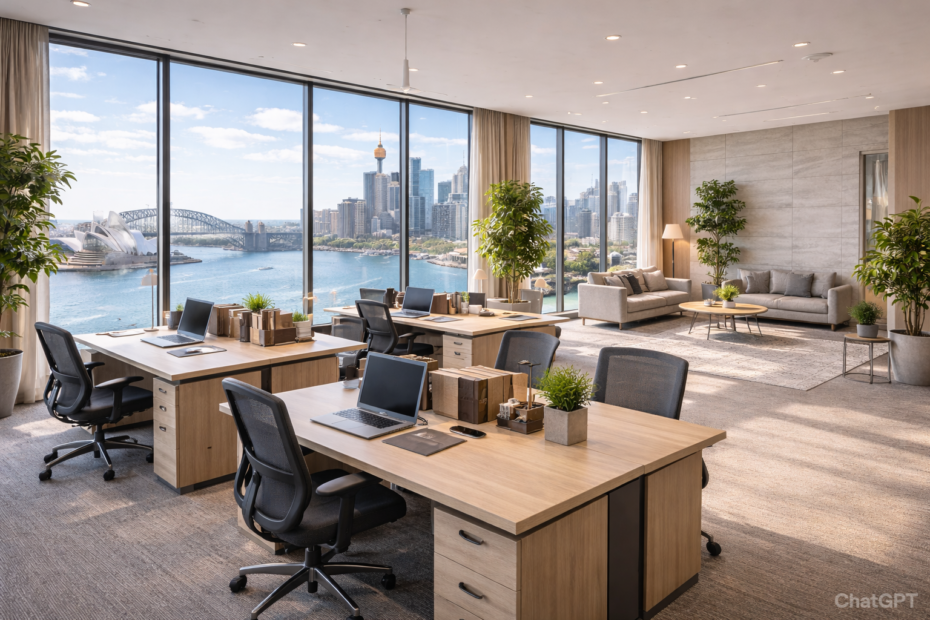
Why Businesses Are Choosing Short-Term Office Rentals in Australia
The landscape of work is evolving rapidly in Australia. Companies no longer want to be tied down by long-term leases and heavy upfront costs. As a result, short-term office rentals are emerging as a popular solution for businesses of all sizes from startups and SMEs to international companies entering the Australian market.
What Are Short-Term Office Rentals?
Short-term office rentals provide fully functional workspaces that can be leased for weeks or months rather than years. These spaces often come fully furnished, equipped with high-speed internet, meeting rooms, and shared amenities, allowing companies to move in and start operating immediately.
Unlike traditional office spaces, these flexible solutions cater to businesses that need agility, cost efficiency, and convenience.
Key Reasons Businesses Prefer Short-Term Office Rentals
1. Flexibility in Lease Terms
The biggest advantage of short-term rentals is flexibility. Businesses can:
Lease for a few weeks, months, or up to a year
Upgrade or downsize space as their team grows or contracts
Avoid being locked into long-term financial commitments
This is especially useful for startups, project-based teams, or companies testing the Australian market.
2. Reduced Initial Costs
Traditional office leases often require large upfront payments, deposits, and investment in furniture and technology. Short-term offices, on the other hand:
Are fully furnished and equipped
Include utilities, internet, and maintenance
Require lower upfront capital
This allows businesses to allocate resources toward growth rather than office setup.
3. Quick Move-In
Time is crucial in today’s fast-paced business world. Short-term offices are typically ready to use immediately. Businesses can:
Move in with minimal preparation
Start operations the same day
Avoid the weeks-long setup required for traditional offices
This is particularly valuable for companies relocating or expanding rapidly.
4. Access to Professional Amenities
Short-term offices often include professional facilities such as:
Conference rooms
Reception services
Breakout areas
Kitchenettes and lounges
These features allow businesses to maintain a professional image without investing in expensive infrastructure.
5. Ideal for Remote or Hybrid Teams
The rise of hybrid work has created demand for flexible office solutions. Short-term rentals are perfect for teams that:
Do not need a permanent office
Work part-time from the office and part-time remotely
Require collaborative spaces occasionally
This ensures cost efficiency while supporting productivity and teamwork.
6. Opportunity to Test the Market
International companies entering Australia can use short-term rentals to test the market before committing to a long-term lease. This allows businesses to:
Evaluate ideal locations
Understand local office requirements
Adjust operations based on real-time experience
This “trial period” reduces risk and helps make informed decisions.
Who Benefits Most from Short-Term Office Rentals?
Startups – Minimize costs and gain flexibility during early growth stages
Project Teams – Need office space for specific projects or seasonal work
Remote Teams – Require occasional in-office collaboration
Expanding Companies – Testing the Australian market without committing long-term
Short-Term Office Rentals vs Traditional Leases
Feature Short-Term Rental Traditional Lease
Lease Duration Weeks to months 1–3+ years
Setup Fully furnished Empty space, requires setup
Flexibility High Low
Upfront Cost Low High
Professional Amenities Included Usually separate
The flexibility, cost-effectiveness, and convenience make short-term office rentals increasingly attractive to Australian businesses.
Conclusion
In Australia’s dynamic business environment, short-term office rentals provide the flexibility, affordability, and speed that modern businesses need. Whether it’s a startup, a project team, or an international company testing the market, these flexible office solutions allow businesses to focus on growth rather than infrastructure.
As the demand for agile workspaces grows, short-term rentals are set to become an essential component of Australia’s commercial real estate landscape.
